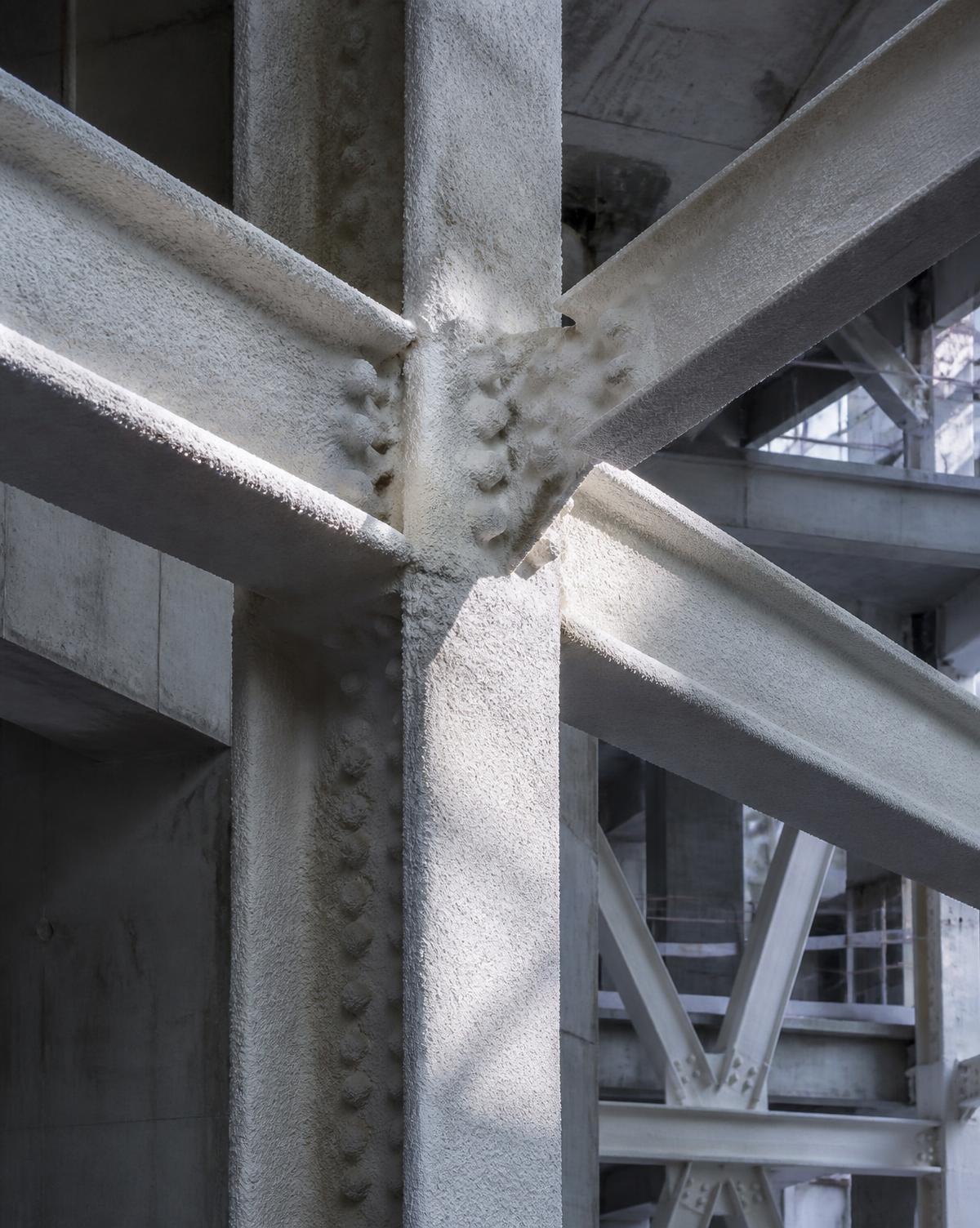
Most people think of fire safety as alarms, sprinklers and extinguishers. These are active systems — they detect or fight a fire once it has started. Passive fire protection works differently. It is built into the fabric of the building so that, if a fire breaks out, it is contained for as long as possible.
Compartmentation is the core idea. Walls, floors, ceilings and doors are designed to resist fire for a rated period — often 30, 60, 90 or 120 minutes. Every penetration through those compartments, whether for pipes, cables or ducts, creates a weak point. Fire stopping seals those gaps with tested systems that restore the original fire rating.
Fire doors are another critical line of defence. A fire door is only as good as its frame, seals, hinges, closer and the way it has been installed. A small gap, a missing intumescent seal or a damaged smoke seal can reduce its effectiveness dramatically.
Passive fire protection does not replace active systems, but it buys time. Time for people to escape, time for the fire service to respond, and time to limit damage to the building. That is why it matters on day one — and why it needs to be inspected and maintained throughout the life of the building.